Choosing the best floor mat material is about more than just covering a surface. The right mat improves safety, protects flooring, supports employee comfort, and helps maintain a clean, professional environment. Different materials perform differently depending on traffic levels, workplace conditions, and maintenance expectations.
Understanding these differences ensures you invest in mats that deliver long-term value rather than short-term convenience.
Identify Usage and Traffic Level
The first step in selecting the right mat is evaluating where it will be used and how much traffic it will handle.
High-traffic areas such as entrances, production floors, and busy corridors demand heavy-duty materials designed to withstand constant foot traffic, rolling equipment, and exposure to dirt or moisture. These mats should focus on durability and dirt-trapping performance.
Medium-traffic environments like offices or customer areas may prioritize appearance while still offering protective qualities.
Low-traffic or specialized spaces may require mats designed for comfort, traction, or safety rather than heavy scraping ability.
Clearly defining whether your goal is moisture control, anti-slip protection, or employee comfort will guide you toward the best floor mat material for that application.
Material Comparison: Choosing the Right Fit
Each mat material offers distinct advantages depending on your operational needs.
Rubber
Rubber mats are known for their strength and resilience. They are ideal for industrial or wet environments because they resist moisture, chemicals, and heavy wear. Rubber also provides strong traction, making it a dependable choice for safety-focused areas.
Vinyl
Vinyl mats are lightweight, flexible, and easy to clean. They perform well in commercial settings where hygiene and quick maintenance are priorities. While not as rugged as rubber, vinyl offers a cost-effective option for moderate-use spaces.
Carpet
Carpet-style mats are excellent for capturing dirt and absorbing moisture, making them ideal for entrances and lobbies. They help maintain interior cleanliness and present a polished, welcoming appearance, though they require routine vacuuming or laundering.
Coir
Coir mats, made from natural fibers, function well as exterior scraper mats. Their coarse texture removes heavy debris before it enters the building. They are best suited for covered outdoor areas to avoid excess moisture exposure.
Microfiber
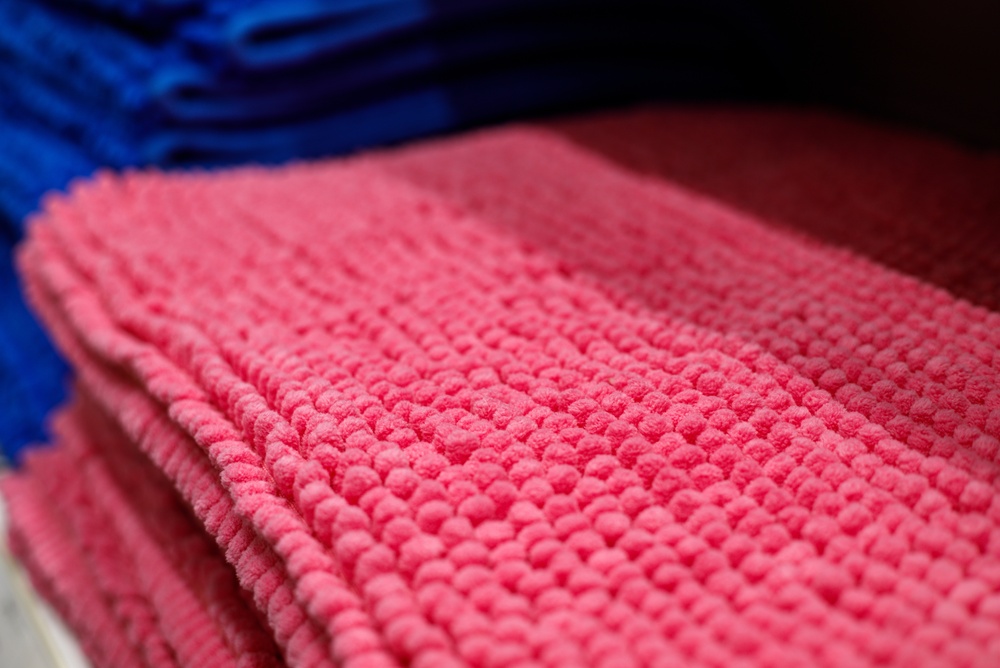
Microfiber mats are highly effective at trapping fine dust and moisture. These are often used in environments where cleanliness is critical, as they capture smaller particles that other materials may miss.
Safety and Ergonomics Matter
Floor mats play an important role in workplace safety and employee well-being.
Slip-resistant mats are essential in locations exposed to water, grease, or spills. Their textured surfaces help reduce the likelihood of slips and falls while keeping mats securely in place.
Anti-fatigue mats are designed for employees who stand for extended periods. These mats provide cushioning that reduces pressure on joints, improves posture, and enhances overall comfort in workstations such as service counters, assembly areas, and kitchens.
Selecting mats with safety-focused features helps businesses create a more secure environment while also supporting productivity and employee satisfaction.
Budget Versus Longevity
When evaluating mat options, it’s important to consider more than just the initial purchase price. Lower-cost mats may seem appealing upfront, but they often wear out quickly, requiring more frequent replacement.
Higher-quality materials typically last longer, maintain their appearance, and require less maintenance over time. This durability translates into better long-term value and fewer disruptions.
Businesses should consider lifecycle cost, including cleaning requirements, replacement frequency, and how well the mat protects underlying flooring. A thoughtful investment today can significantly reduce future expenses.
Facilities that use a managed Floor Mat service often benefit from scheduled cleaning and replacement, ensuring mats remain effective without adding to internal workloads.
Making the Best Decision for Your Facility
Selecting the best floor mat material requires balancing functionality, safety, maintenance, and cost. By carefully evaluating traffic patterns, environmental conditions, and employee needs, businesses can choose mats that deliver reliable performance for years.
Working with a knowledgeable provider early in the process helps ensure you select materials suited to your operations while maintaining a consistent, professional appearance. Maurer’s Textile can help businesses implement mat solutions that align with their safety goals, durability expectations, and long-term facility management strategies.