
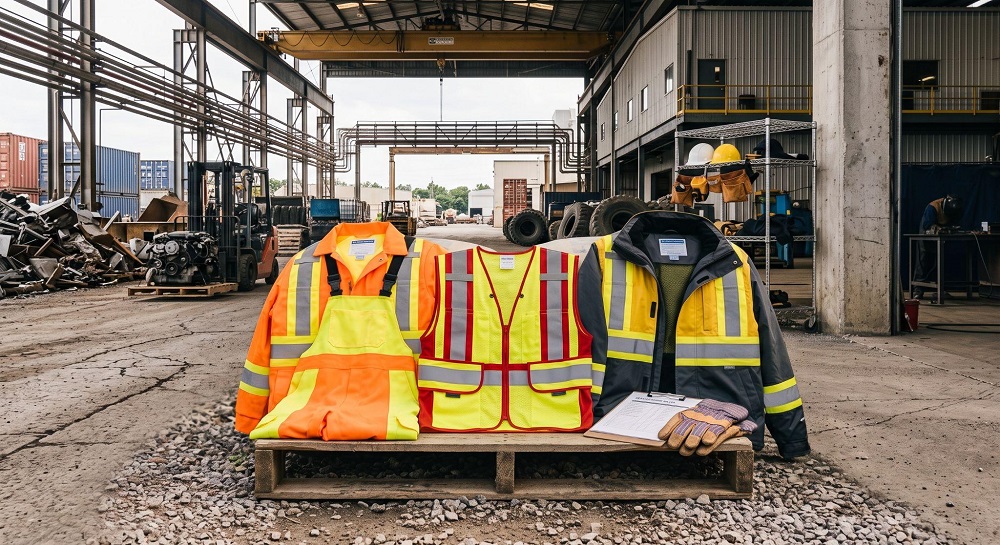
Workers in construction, roadwork, warehouses, manufacturing, and other demanding environments may spend part of their day around vehicles, equipment, or low-light conditions. High-visibility uniforms help workers stand out from their surroundings, making them easier for drivers, equipment operators, coworkers, and customers to see.
Choosing the right high-visibility safety uniforms involves more than selecting a bright-colored shirt or vest. Businesses should consider visibility standards, fit, comfort, durability, and the specific hazards employees encounter on the job.
Understand Visibility Standards and Compliance
Visibility is the primary purpose of high-visibility workwear. Fluorescent colors such as yellow, orange, and lime are designed to create strong contrast with many work environments, while reflective strips help make workers more noticeable when illuminated by headlights or other light sources.
When selecting high-visibility garments, businesses should look for products designed to meet applicable safety standards for their work environments. ANSI/ISEA standards establish performance requirements for high-visibility safety apparel in the United States, while ISO standards are used internationally.
Reflective striping should be appropriately positioned so that a worker’s body shape and movement remain recognizable. Depending on the job, garments may include reflective bands around the torso, arms, and legs to provide visibility from multiple directions.
Employers should always evaluate applicable workplace requirements and select apparel appropriate for the hazards and conditions employees face.
Prioritize Fit and Comfort
Visibility does not matter if employees are uncomfortable or unable to move properly. Work uniforms should provide enough room for employees to bend, reach, climb, walk, and perform physical tasks without restriction.
A proper fit also helps ensure reflective materials remain positioned correctly while employees work. Garments that are excessively loose can become caught on equipment, while clothing that is too tight may restrict movement.
Comfort is equally important during long shifts. Lightweight, breathable materials can help workers stay comfortable in warm conditions, while layering options allow employees to adapt to changing weather.
Offering appropriate sizing and garment styles for different roles helps employees remain comfortable while maintaining the visibility they need.
Choose Durable Materials for Harsh Conditions
High-visibility uniforms often have to withstand demanding working conditions. Construction sites, road projects, warehouses, and industrial facilities can expose garments to dirt, moisture, sunlight, chemicals, and repeated washing.
Look for materials that can withstand regular use while maintaining their color and reflective properties. Weather-resistant fabrics can provide additional protection during rain or other challenging conditions, while fade-resistant materials help fluorescent colors remain highly visible over time.
Durability is particularly important for businesses that launder uniforms frequently. High-quality garments should maintain their structure and visibility through repeated cleaning without quickly becoming worn or faded.
Regular inspection is also important. Torn fabric, damaged reflective strips, excessive fading, or other signs of deterioration can reduce a garment’s effectiveness and indicate that replacement is necessary.
Consider Industry-Specific Requirements
The best high-visibility uniform depends on the work being performed. Different industries face different visibility hazards and may require different garment designs.
Construction
Construction workers may need high-visibility shirts, vests, jackets, or outerwear when working around moving vehicles, cranes, heavy equipment, and other hazards. Garments should provide visibility while allowing workers to move safely across active job sites.
Roadwork
Road crews often work near moving traffic, making visibility particularly important. High-visibility garments with fluorescent backgrounds and reflective materials can help workers remain noticeable during daytime and nighttime operations.
Warehouses
Warehouse employees may work around forklifts, delivery vehicles, and other moving equipment. High-visibility shirts, vests, and jackets can make employees easier to identify within busy facilities.
The right apparel should always be selected according to the hazards, work environment, and applicable safety requirements for the specific job.
Build a Consistent Uniform Program
Providing appropriate high-visibility apparel is easier when businesses have a structured uniform program. A professional program can help organizations maintain consistent garment quality, manage replacements, and ensure employees have access to the apparel required for their roles.
Working with an experienced uniform rental company in Lansing can also simplify uniform management. Rental programs may include professional laundering, garment maintenance, repairs, and replacement services, reducing the amount of time businesses need to spend managing workwear internally.
A managed program can also make it easier to maintain a consistent appearance across teams while adapting uniform selections as workforce or job requirements change.
Keep Workers Visible, Comfortable, and Prepared
High-visibility uniforms are an important part of workplace safety for employees working around traffic, vehicles, equipment, and other potential hazards. The best options combine appropriate visibility features with comfortable fits, durable materials, and designs suited to specific working conditions.
Businesses should evaluate applicable safety standards, work environments, garment durability, and employee comfort before selecting their uniforms. With the right program in place, high-visibility apparel can support both workplace safety and professional presentation.
Maurer’s Textile provides professional uniform solutions designed to help businesses outfit their teams with durable, functional workwear suited to their industry’s needs.


