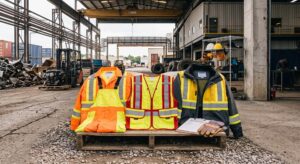
A well-designed uniform does more than just identify an employee; it conveys professionalism, promotes your brand, and ensures safety and comfort on the job. For businesses in Lansing, MI, and beyond, creating the right uniform is a crucial step in building a cohesive and effective team. But where do you start? Customizing apparel for different industries requires a thoughtful approach that considers the unique demands of each role.
This guide will walk you through the key steps to customize uniforms, ensuring the final product is a perfect fit for your team and your brand. From selecting the right materials to incorporating your company’s identity, we’ll cover the essential stages of the uniform design process.
Assess Your Industry’s Unique Needs
The first step in customizing uniforms is to conduct a thorough assessment of your industry’s specific requirements. A uniform for a construction worker will have vastly different needs than one for a healthcare professional or a restaurant server.
Start by identifying the various job roles within your organization. What are the daily tasks and physical demands associated with each position? A mechanic might need reinforced knees and multiple pockets for tools, while a front-desk receptionist requires a polished, professional look that prioritizes appearance over rugged durability.
Next, consider safety and compliance. Many industries have specific regulations that dictate uniform requirements. For example, workers in low-light environments may need high-visibility clothing, and those in the food service industry must adhere to health codes. At Maurer’s Textile, we help Lansing-area businesses navigate these requirements to ensure their uniforms are fully compliant.
Finally, think about comfort. Employees who are comfortable in their uniforms are more productive and have higher morale. Consider the climate they work in—is it indoors or outdoors? Does their job involve a lot of physical movement? Answering these questions will help you pinpoint the features needed to keep your team comfortable throughout their workday.
Select the Right Fabrics and Features
Once you understand your team’s needs, the next step is to choose the right materials and functional features. The fabric of a uniform directly impacts its durability, breathability, and overall performance.
For physically demanding jobs, durable fabrics like cotton canvas or polyester blends offer excellent resistance to wear and tear. If your employees work in hot conditions, lightweight and moisture-wicking materials will help keep them cool and dry. For industries where stain resistance is important, such as food service or automotive repair, consider fabrics with specialized finishes.
Beyond the fabric, think about functional features that can make an employee’s job easier. This could include:
- Pockets: Strategically placed pockets for carrying tools, notepads, or other essential items.
- Ventilation: Mesh panels or vents in high-heat areas to improve airflow.
- Reinforcements: Double-stitched seams or reinforced fabric on high-wear areas like elbows and knees.
- Adjustable Elements: Features like adjustable waistbands or cuffs for a more customized fit.
Design Your Branding Elements
Your uniform is a walking advertisement for your brand, so incorporating your company’s identity is a critical step. This is where you can align the uniform’s appearance with your brand’s colors, logo, and overall image.
Start with your brand’s color palette. Consistent use of your colors helps build brand recognition. You can use your primary color for the main body of the uniform and secondary colors for accents on collars, cuffs, or trim.
Logo placement is another key consideration. A cleanly embroidered or screen-printed logo on the chest, sleeve, or back of a uniform instantly identifies your employees and reinforces your brand. Decide on the size and placement that looks most professional and is easily visible. You can also add other branding elements like a company slogan or website.
Personalization, such as adding employee names, can also be a nice touch. It fosters a sense of ownership and makes employees more approachable to customers.
Pilot the Uniforms and Gather Feedback
Before placing a bulk order, it’s essential to test the uniforms with the people who will be wearing them every day. A pilot program allows you to gather valuable feedback and make any necessary adjustments.
Provide a small group of employees with sample uniforms and ask them to wear them for a set period. Encourage them to perform their regular duties to test the uniform’s fit, comfort, and functionality in a real-world setting.
After the trial period, collect their feedback. Ask specific questions:
- Is the uniform comfortable to wear for an entire shift?
- Does the fabric feel durable and breathable?
- Are the pockets well-placed and useful?
- Does the fit allow for a full range of motion?
Use this feedback to make final tweaks to the design. This crucial step ensures that the final product meets the expectations of both your management and your employees, leading to a successful uniform program that everyone can be proud of.
Get Started with Maurer’s Textile
Creating the perfect custom uniform is a detailed process, but the results are well worth the effort. A well-designed uniform can improve safety, boost team morale, and elevate your brand’s presence. By following these steps to customize uniforms, you can ensure your team looks and feels its best.If you’re a Lansing-based business looking for expert guidance, Maurer’s Textile is here to help. We have decades of experience assisting diverse industries in creating high-quality, custom uniforms. Contact us today to get started.