As more consumers and businesses prioritize sustainability, interest in environmentally friendly fabrics continues to grow. Linen has become one of the most popular eco-conscious textile options because of its natural origins, durability, and low environmental impact. The many linen biodegradable benefits make it a preferred choice for individuals and organizations looking to reduce waste while still enjoying high-quality textiles.
Unlike synthetic materials that can persist in landfills for decades, linen naturally decomposes over time without releasing harmful substances into the environment. Combined with its comfort and long lifespan, linen offers a practical and sustainable alternative for eco-conscious consumers.
Linen Comes from a Sustainable Natural Source
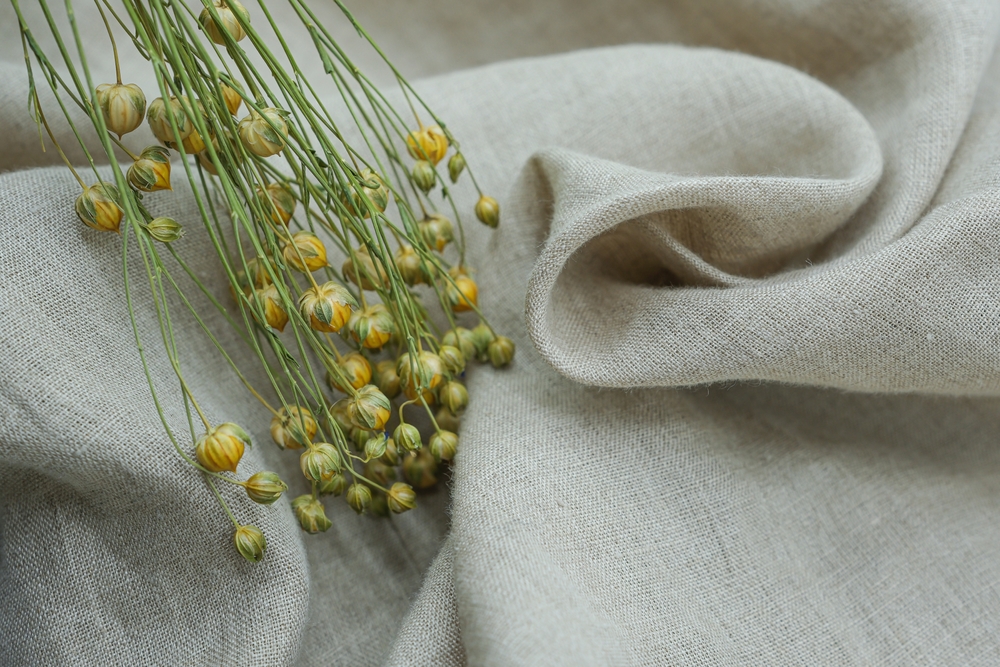
Linen is made from the fibers of the flax plant, one of the oldest cultivated crops in the world. Flax is valued for its sustainability because it requires significantly fewer resources compared to many other textile crops.
Unlike cotton, flax typically needs less water to grow and often requires fewer pesticides and fertilizers. This reduces strain on natural resources while lowering the environmental impact associated with large-scale farming.
Another advantage is that nearly every part of the flax plant can be used, minimizing agricultural waste. The fibers become linen fabric, while other plant components may be used for products such as linseed oil, animal feed, or industrial materials.
Because flax grows efficiently in cooler climates with natural rainfall, linen production generally consumes fewer resources than many conventional textiles.
How Linen Naturally Biodegrades
One of the most important linen biodegradable benefits is its ability to break down naturally after disposal. Since linen is made entirely from plant-based fibers, microorganisms can decompose the material over time without leaving behind harmful microplastics or toxic residues.
Under the right environmental conditions, untreated linen can biodegrade within months rather than remaining in landfills for decades. This natural decomposition process returns organic matter back into the environment instead of contributing to long-term pollution.
Synthetic fabrics such as polyester and nylon behave very differently. These petroleum-based materials can take hundreds of years to decompose and may release microplastics into soil and waterways throughout their lifespan.
Choosing biodegradable textiles like linen helps reduce landfill accumulation while supporting a more circular and environmentally responsible approach to textile use.
Comparing Linen to Synthetic Fabrics
When comparing environmental impact, linen consistently performs better than many synthetic alternatives.
Synthetic fibers are produced using fossil fuels and energy-intensive manufacturing processes. Their production contributes to greenhouse gas emissions and creates long-term waste management challenges due to their slow decomposition rates.
Linen, on the other hand, is derived from renewable plant sources and generally has a lower carbon footprint during cultivation and production. Because flax requires fewer chemical treatments and less irrigation, its environmental impact is often significantly reduced compared to resource-intensive fabrics.
Additionally, linen products tend to last longer due to the fabric’s natural strength and durability. Longer-lasting textiles reduce the need for frequent replacements, lowering overall consumption and waste generation over time.
For businesses seeking environmentally responsible textile management solutions, professional Linen Rentals can also help support sustainability goals through efficient laundering, reuse programs, and textile lifecycle management.
Eco-Friendly Benefits for Consumers
In addition to its environmental advantages, linen provides several practical benefits that appeal to eco-conscious consumers.
Durability
Linen is one of the strongest natural fibers available. With proper care, linen products can maintain their quality for years, reducing replacement frequency and supporting more sustainable purchasing habits.
Breathability
The fabric’s breathable nature helps regulate temperature and wick away moisture, making it comfortable in both warm and cool environments. This natural comfort reduces reliance on synthetic performance fabrics.
Natural Feel
Many consumers appreciate linen for its soft, organic texture and timeless appearance. Because it is made from natural fibers, linen often appeals to individuals seeking products free from excessive synthetic processing.
Low Maintenance
Linen becomes softer over time while maintaining its structural integrity, making it both practical and long-lasting for everyday use.
These combined qualities make linen attractive not only for sustainability reasons but also for comfort, style, and functionality.
A Smarter Textile Choice for Sustainability
As consumers become more aware of the environmental impact of their purchasing decisions, biodegradable fabrics like linen continue to gain attention. Linen’s renewable origins, natural decomposition process, and long lifespan make it one of the most environmentally responsible textile choices available today.
By selecting high-quality linen products and sustainable textile solutions, businesses and consumers alike can reduce waste, lower environmental impact, and support more responsible consumption practices.
Maurer’s Textile helps organizations implement dependable textile programs that combine quality, durability, and sustainability for long-term operational and environmental benefits.