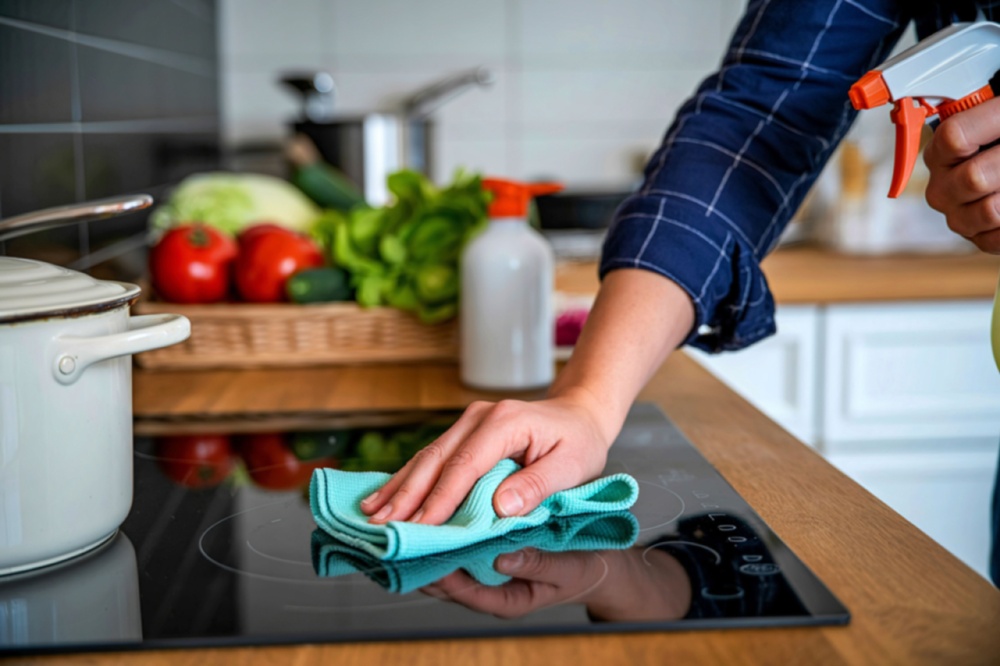
Commercial kitchens operate in fast-paced environments where cleanliness, efficiency, and safety are critical. In microfiber towels commercial use, these cleaning tools have become an essential part of modern food service operations because they deliver superior performance compared to traditional cotton cloths. Every surface must be cleaned quickly and thoroughly to meet health standards and maintain smooth operations. One of the most effective tools supporting these goals is the microfiber towel.
Compared to traditional cotton cloths, microfiber towels offer superior performance in absorbency, hygiene, durability, and sustainability. Understanding their advantages helps food service businesses improve cleaning processes while reducing long-term operational costs.
Absorbency & Cleaning Efficiency
One of the biggest advantages of microfiber towels in commercial kitchens is their exceptional absorbency. Microfiber is made from ultra-fine synthetic fibers that are much smaller than cotton strands, allowing them to trap and hold significantly more liquid and debris.
This structure enables microfiber towels to clean surfaces faster and more effectively. They pick up grease, spills, and fine particles in fewer passes, reducing cleaning time during busy kitchen operations. This efficiency is especially valuable in environments where staff must quickly reset workstations or clean between food preparation tasks.
Because microfiber holds more liquid, fewer towels are needed during peak hours, improving workflow and reducing laundry loads throughout the day.
Hygiene and Cross-Contamination Control
Maintaining hygiene in commercial kitchens is essential for food safety compliance. Microfiber towels offer a major advantage in this area due to their ability to trap and hold bacteria, dirt, and grease within their fibers rather than spreading them across surfaces.
Traditional cotton towels tend to push contaminants around, which increases the risk of cross-contamination between surfaces, utensils, and food prep areas. Microfiber, on the other hand, captures particles more effectively, helping reduce the spread of harmful bacteria.
When properly washed and separated by use (for example, assigning different colors for different tasks), microfiber towels can significantly improve sanitation practices in commercial kitchens. This makes them a preferred choice in food service environments where cleanliness standards are strictly regulated.
Cost-Effectiveness Over Time
Although microfiber towels may have a slightly higher upfront cost compared to traditional cotton options, they offer significant long-term savings.
Their durability means they can withstand hundreds of wash cycles without breaking down or losing effectiveness. This reduces the frequency of replacements, lowering overall supply costs for businesses.
Additionally, microfiber’s superior cleaning efficiency often reduces the need for chemical cleaners. Because the fibers trap dirt so effectively, less detergent is required to achieve a clean surface. Over time, this leads to lower supply costs and reduced chemical usage.
Businesses that rely on managed textile programs, such as professional Linen Rentals, often benefit from consistent towel quality, routine replacement, and simplified inventory control. These services help ensure kitchens always have access to clean, high-performing textiles without the burden of managing laundering internally.
Environmental Benefits
Microfiber towels also offer clear environmental advantages compared to traditional cleaning cloths. Their efficiency reduces the amount of water and detergent required during both cleaning and laundering processes.
Because microfiber captures more dirt in a single pass, kitchens can reduce overall water usage during cleaning tasks. In laundry cycles, microfiber towels typically require less detergent and shorter wash times, which contributes to lower energy and water consumption.
Their long lifespan also reduces textile waste. Instead of frequently discarding worn-out cotton towels, microfiber towels remain usable for extended periods, helping businesses reduce their environmental footprint.
For commercial kitchens focused on sustainability goals, switching to microfiber is a simple but impactful change that supports greener operations.
Practical Applications in Commercial Kitchens
Microfiber towels can be used across nearly every area of a commercial kitchen, including food prep stations, service counters, dishwashing areas, and equipment cleaning.
Their versatility allows staff to handle multiple cleaning tasks efficiently without switching between different types of cloths. This streamlines workflows and reduces confusion during busy service periods.
Color-coded microfiber systems can also be implemented to further reduce cross-contamination risks by assigning specific towels to specific tasks, such as raw food handling, sanitizing surfaces, or general cleaning.
A Smarter Choice for Kitchen Operations
Microfiber towels provide a strong combination of performance, hygiene, and cost savings. Their superior absorbency improves cleaning speed, while their ability to trap bacteria enhances food safety standards. Over time, their durability and reduced reliance on chemicals make them a cost-effective and environmentally responsible choice.
For commercial kitchens aiming to improve efficiency and maintain high sanitation standards, microfiber towels are a valuable investment that supports both operational performance and compliance requirements.
Maurer’s Textile helps businesses streamline their textile needs with reliable service programs and professional-grade solutions designed to support cleanliness, efficiency, and long-term value.